If you’re researching sofi investing reviews to decide whether this platform deserves your money, you’re in the right place. SoFi Invest has grown from a student-loan startup’s side project into a full-fledged investment platform serving millions of users. This guide breaks down everything you need to know-features, fees, safety, insurance, and real user feedback-so you can make an informed decision about whether to choose sofi invest for your portfolio.
Key Takeaways
- SoFi Invest combines active investing, automated investing (robo-advisory), and integrated banking and loans in one app, making it a strong option for new investors who want simplicity.
- You’ll pay $0 commissions on stocks, ETFs, and options, with no options contract fees and low account minimums-$5 for active investing and around $50 for robo portfolios.
- SoFi offers a 1% IRA contribution match (2% for sofi plus members through 4/15/26), plus frequent promos like transfer bonuses and stock rewards for opening a new account.
- SoFi Invest brokerage accounts are SIPC-insured up to $500,000, and cash held at sofi bank is FDIC-insured up to applicable limits-but investments can lose value regardless of insurance.
- SoFi Invest was rated #1 in DIY Investor Satisfaction for 2026, reinforcing its reputation as a low-cost brokerage platform for beginners and casual investors.
SoFi Invest Review
SoFi Invest is the investing arm of social finance (SoFi Technologies, Inc.), designed primarily for beginners, mobile-first users, and anyone who wants banking, lending, and investing inside a single app. Launched in the mid-2010s, the platform now offers sofi active investing, automated portfolios, IRAs, and alternative investments-all accessible from the sofi app or the sofi website.
Our verdict on the platform boils down to a few core strengths: strong diversification across asset types including stocks, exchange traded funds, options, crypto, and alternative assets; genuinely low costs with commission free trades and zero options contract fees; and integrated advisory services through human financial planners and robo portfolios. SoFi Invest offers both self-directed and automated investing options, giving users flexibility as their confidence grows.
As of mid-2026, SoFi has continued to expand. The platform relaunched crypto trading on November 11, 2025, becoming the first nationally chartered U.S. bank to offer retail crypto trading directly in its banking and investing app. Margin trading is available for qualifying accounts, though margin interest rates run on the higher end compared to specialized brokerages. If you’re an advanced trader looking for complex charting, real-time Level 2 data, or futures, this review will help you understand why SoFi may not be your primary platform-but also why millions of everyday investors find it more than sufficient.

Pros and Cons of SoFi Invest
Before diving deeper, here’s a quick rundown of strengths and drawbacks that consistently appear across sofi investing reviews.
Pros: SoFi delivers $0 commissions on stock and etf trades with no options contract fees, which is rare even among modern brokerages. The account minimum for active investing is essentially zero (you can buy fractional shares starting at $5), and sofi members get access to financial planners at no extra cost. The 1% IRA match-boosted to 2% for sofi plus members-adds real value for retirement savers. You can also access ipo investing, alternative asset funds, and 27 cryptocurrencies from the same investing account. SoFi wins praise for its user-friendly interface and minimal fees, which is why many financial advisors recommend it as a solid starter platform.
Cons: SoFi lacks the advanced charting, screeners, and deep research data that advanced traders expect. There’s no automated tax-loss harvesting in the robo portfolios, which may matter if you hold a taxable account in a higher bracket. Interest on uninvested cash is low unless you hold a premium membership or move cash to SoFi’s high-yield savings accounts. Futures and forex aren’t available. And some mixed reviews on customer feedback platforms mention delays around transfers and complex account actions. Advanced investors and advanced traders who need sophisticated toolsets will likely want to look elsewhere for their primary platform.
SoFi Invest at a Glance
Here’s a quick-reference snapshot of what the investment platform offers:
- Account types: Taxable investing account (active invest account), automated robo portfolios, Traditional IRA, Roth IRA, SEP IRA, and rollover IRA.
- Minimums: SoFi Active Investing has no account minimum. Investors can buy fractional shares starting at $5. Automated investing starts around $50 minimum investment.
- Investment options: Stocks, ETFs, mutual funds (over 6,800 no-transaction-fee options), options, 27+ cryptocurrencies, and interval funds / alternative assets.
- Headline fees: $0 trading fees on stocks, ETFs, and options. No options contract fees. $0 IRA account minimum. Outgoing ACAT transfer fee around $100. An ira closing fee of $100 applies.
- Advisory access: All sofi members can schedule one free appointment with a certified financial planner. SoFi Plus unlocks unlimited access to financial planning appointments.
- Best for: Beginner-friendly, mobile-centric investing integrated with sofi bank for fast internal transfers and holistic personal finance management.
Who Should Choose SoFi Invest?
SoFi isn’t a one-size-fits-all platform, and matching your investor profile to the right brokerage matters more than chasing promotions. Here’s who benefits most.
Ideal users include new investors wanting guidance and low barriers to entry, people who value an all-in-one ecosystem combining a bank account, loans, and investing, IRA savers seeking a match on ira contributions, and options traders who appreciate $0 options contract fees. SoFi can also work well for intermediate investors who want both a sofi active investing account for self-directed trades and access to financial advisors without paying high advisory fees.
That said, highly active day traders or investors focused on niche assets like futures, forex, or complex multi-leg options strategies will likely find SoFi’s tools and asset range too limited. If integrated advisory services, recurring invest deposits, and a simple portfolio view matter more to you than advanced research functionality, SoFi deserves serious consideration. Think about your investment objectives and whether convenience or granular control drives your decisions.
Latest SoFi Invest Updates (2025–2026)
The platform has seen several meaningful updates over the past year.
In November 2025, SoFi relaunched crypto trading through sofi bank, offering over two dozen coins with a simple fee structure and full integration into the main app. SoFi allows trading of 27 cryptocurrencies including Bitcoin and Ethereum, making it one of the few nationally chartered banks to offer direct crypto access.
Through mid-2025 and into 2026, SoFi ran promotional campaigns including stock bonuses for opening a new active brokerage account with $50 or more-users could get up to 1,000 in bonus stock. Transfer bonuses up to 1% applied for ACAT transfers settled by 3/31/26. For existing sofi ira members, periodic boosts included enhanced IRA contribution matches and recurring deposit matches through early 2026. Promotions change frequently, so always check SoFi’s official promotions page for the latest investing account offers and eligibility criteria.
What We Like About SoFi Invest
This section digs deeper into the standout features that show up repeatedly in sofi investing reviews. Each subsection below focuses on one advantage-low costs, the all-in-one ecosystem, advisory access, alternative assets, and the beginner experience-grounded in concrete platform details.
Low Trading Costs and No Options Contract Fees
SoFi Invest offers commission-free trades for stocks and ETFs, and charges $0 options contract fees. Standard regulatory and exchange fees may still apply, but for most retail investors, the effective cost of a trade is zero. This makes SoFi a standout for cost-conscious options traders compared with brokers that charge $0.50–$0.65 per contract.
Active investing requires only about $5 to get started per trade thanks to fractional shares, making small, recurring investing feasible even on a tight budget. There are no stock trading fees with sofi active investing, period. While trades are free, some account-level fees do exist-outgoing ACAT transfers run about $100, and certain wire fees may apply-so check SoFi’s current fee schedule before initiating transfers. These low costs position SoFi as particularly attractive for newer investors and cost-conscious DIY traders who don’t need premium analytics.
All‑in‑One Financial Ecosystem
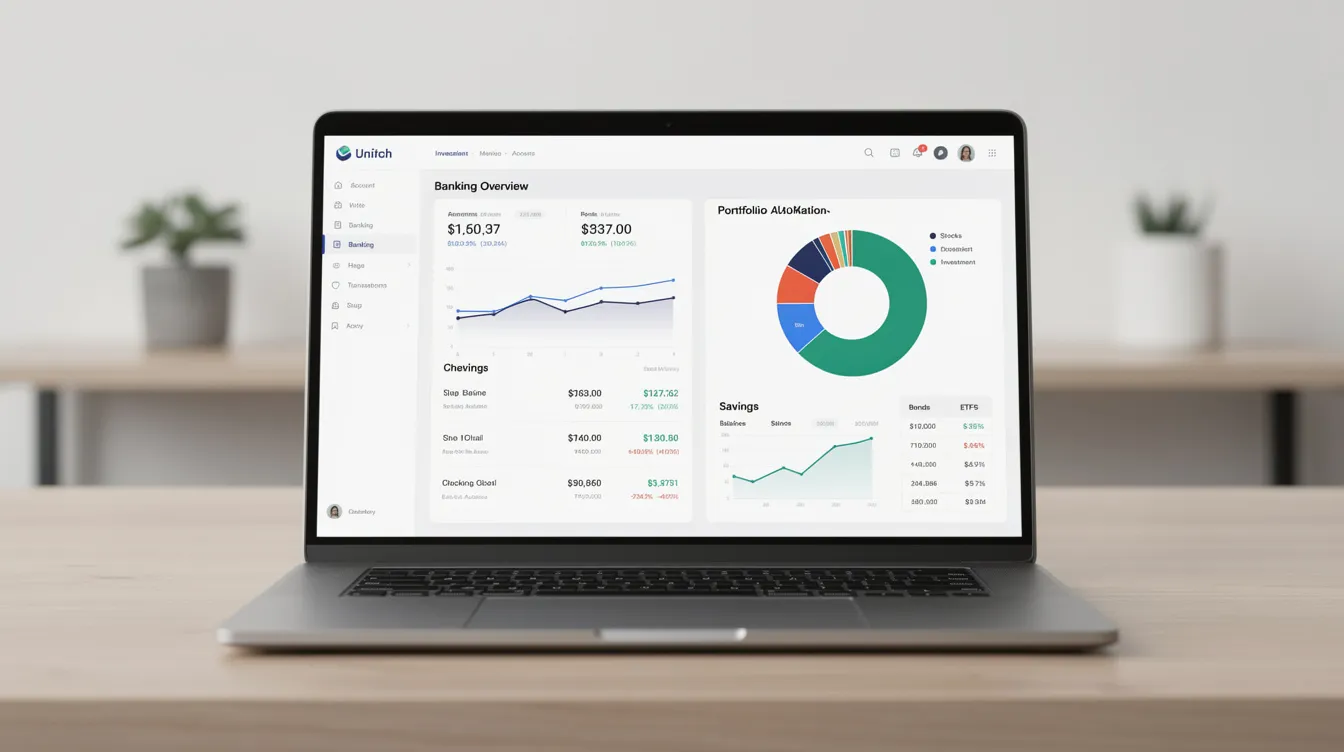
SoFi combines sofi checking, savings accounts, credit cards, personal loans, student loan refinancing, and investing in a single app. Users appreciate managing banking, loans, and investments from a single dashboard, which is a differentiator that traditional financial institutions and even many fintech competitors don’t match.
You can move money instantly between your sofi bank account and your invest account, simplifying funding and ira contributions. This integration supports holistic planning-tracking loans, spending, and investments together rather than logging into multiple apps. SoFi Plus (the premium membership, typically around $10/month or free with qualifying eligible direct deposit) unlocks better APY on cash, higher matches on deposits, and more access to financial planners. The “single login” experience is consistently cited as a key reason people choose sofi invest.
Access to Financial Planners and Advisory Services
SoFi members can schedule one free appointment with a financial planner to discuss goals, budgets, and investing strategies. This 30-minute session is available to everyone, not just high-balance customers. SoFi provides access to financial planners for all members, making financial planner availability a real competitive advantage.
SoFi Plus members gain unlimited access to financial planners, effectively turning the service into an ongoing coaching relationship without a traditional AUM-based advisory fee. These advisory services, including robo portfolios and one-on-one planning, are provided through sofi wealth llc, a sec registered investment adviser. This differs from many competitors that either charge a separate advisory fee or require high minimum balances for human financial advisors. Planners can help investors optimize ira contributions, decide between taxable vs. retirement accounts, and align portfolios with long-term investment objectives-covering sofi wealth’s advisory operations in a way that feels accessible rather than intimidating.
Diverse Investment Options Including Alternative Assets
SoFi’s range of investment options spans individual stocks, ETFs, options, thousands of no-transaction-fee mutual funds, fractional shares, and crypto. SoFi provides access to 6,800 no-transaction-fee mutual funds, giving investors broad market coverage. The platform also allows investment in alternative assets like real estate, private credit, and commodities through interval funds and alternative asset funds within brokerage and certain IRA accounts.
Alternative investments may be less liquid, carry substantial risk, and suit longer time horizons, so consulting a financial planner before diving in is wise. SoFi does not currently support bond trading, futures, or forex, which some advanced investors may miss. Casual investors can start with ETFs and then optionally add alternative asset exposure as they grow more comfortable with other investments beyond traditional equities.
Beginner‑Friendly Platform and Education
The sofi app interface is streamlined: a simple account opening flow, clear portfolio balances, and a clean view of holdings and performance. SoFi integrates educational articles and market news for account holders, including educational resources like webinars and in-app explainers covering IRAs, diversification, and risk tolerance.
Usability features appeal to first-time investors-goal-based robo portfolios, automatic recurring invest deposits, and easy-to-understand risk profiles reduce decision fatigue. The platform bundles banking and investing dashboards, reducing friction for users building investing habits for the first time. SoFi is a strong candidate for a “first brokerage account” for those who find traditional trading platforms intimidating.

Where SoFi Invest Falls Short
Even strong platforms have weaknesses, especially for more experienced users. Here’s where SoFi leaves room for improvement.
Users criticize SoFi for its limited research and analytical tools. Charts are basic, fundamental data is sparse, and you’ll need third-party resources for deep analysis or stock screeners. SoFi lacks advanced trading tools suitable for active day traders-no Level 2 quotes, no deeply configurable charting, and limited advanced order types.
The absence of tax-loss harvesting in SoFi’s automated investing is a notable gap, particularly for higher-income investors holding taxable accounts. Uninvested cash earns low yields unless you opt into premium tiers or move it to SoFi’s high-yield bank accounts. Some sofi investing reviews mention occasional glitches or service delays around ACAT transfers or complex account actions. Patience and proactive contact with support are recommended, and sofi reserves the right to review transfers that may adversely impact execution prices or account integrity during the process.
SoFi Invest Account Types and Investment Options
SoFi offers multiple account types so you can align the right investing account with your goals.
- Taxable active invest accounts: Trade stocks, ETFs, options, mutual funds, and alternative assets. Access ipo investing and fractional shares starting at roughly $5 through a sofi active investing account.
- Robo investing accounts: Automated ETF portfolios tailored to risk tolerance and time horizon, managed by sofi wealth, funded with a minimum around $50.
- IRA options: Traditional, Roth, SEP, and rollover IRAs available in both active and automated formats, supporting annual ira contributions up to IRS limits.
- Investment options: U.S. stocks and ETFs, thousands of mutual funds, SoFi allows trading of 27 cryptocurrencies including Bitcoin, alternative asset funds, and options contracts with $0 per-contract fees. SoFi provides access to cryptocurrency trading in over 30 major currencies when you include stablecoins and newer listings.
SoFi Active Investing Fees and Costs
Understanding the fee structure is crucial before choosing any brokerage account. Here’s what SoFi charges-and doesn’t.
| Fee Type | Amount |
|---|---|
| Stock/ETF commissions | $0 |
| Options contract fees | $0 |
| Account minimum | $0 |
| Fractional share minimum | $5 |
| Annual inactivity fee | $25 (after 6 months) |
| IRA closing fee | $100 |
| Outgoing ACAT transfer | ~$100 |
| Robo advisory fee | 0.25% annual (or $0 for select portfolios) |
SoFi charges $0 commissions on online stock, ETF, and options trades, but standard regulatory and exchange fees still apply. SoFi charges a $25 annual inactivity fee after six months of account dormancy, and a $100 fee applies for closing an IRA account. Margin loans carry tiered interest rates historically spanning mid-single to high-single digits depending on balance, and margin trading carries elevated risk of investment losses. Always review SoFi’s current fee schedule as exact amounts may change.
SoFi Robo‑Advisor and Automated Portfolios
SoFi’s robo-advisor builds and manages diversified ETF portfolios aligned to your risk profile and goals. You answer a questionnaire about time horizon, risk tolerance, and purpose-retirement, a major purchase, or general investing-and the system recommends a portfolio.
SoFi offers automated investing with no management fees on select portfolio tiers, while other automated options carry a competitive 0.25% annual fee. Portfolios are automatically rebalanced but do not include tax-loss harvesting, a trade-off that may matter for taxable accounts in higher brackets. Sofi wealth’s current form of robo management pairs well with human planning: you can still book sessions with financial planners for deeper guidance on top of the automated solution, combining robo convenience and personal advice.
SoFi Invest Mobile App and User Experience
Most SoFi Invest users interact primarily through the mobile app, though desktop access is available. SoFi Invest has a user-friendly mobile app for trading that features a unified dashboard showing bank balances, loan status, and invest account holdings-with simple navigation to switch between active invest and automated investing.
Features include watchlists, real-time quotes, basic charting, and in-app educational content. Customer reviews often praise the app’s clean design and speed, but power users note frustration with limited customization and analytics. Users appreciate SoFi’s ease of use and customer service, and the app consistently earns strong ratings in both major app stores.
Is SoFi Invest Safe?
Safety is a top concern for anyone opening an investment account, and it involves both regulatory protections and cybersecurity practices.
SoFi Invest operates through regulated entities: sofi securities llc is a broker-dealer registered with the SEC and a FINRA member, while sofi wealth llc is a sec registered investment adviser. Securities and customer funds are held with a third-party custodian (Apex Clearing) under SoFi Securities, and brokerage accounts are protected by SIPC up to $500,000 per customer, including $250,000 for cash. This protects against broker failure, not market losses.
Security measures include two-factor authentication, encryption, 24/7 fraud monitoring, and periodic third-party security assessments. SoFi has faced minor regulatory fines but is considered reputable and well-supervised. That said, all investing carries risk-investments can decline in value, margin trading increases exposure, and crypto adds volatility. Investors should use strong passwords, enable all available security features, and understand that regulatory oversight guards against institutional failure, not poor investment gains or investment losses from market movements.
Are SoFi Invest Accounts Insured?
Understanding the difference between FDIC and SIPC insurance is essential for any SoFi customer.
SoFi Bank deposits-including sofi checking and savings accounts-are FDIC-insured up to $250,000 per depositor, per insured bank, per ownership category. This covers your bank account cash but not securities or investments.
SoFi Invest brokerage accounts are protected by SIPC up to $500,000 (including $250,000 in cash) against broker failure-not against investment performance or market declines. Some user funds in brokerage accounts may be swept into FDIC-insured program banks, and coverage details depend on how cash is held. Avoid concentrating more cash than necessary idle in a brokerage account, and understand how your accounts are titled to maximize FDIC and SIPC protections responsibly.
About SoFi
SoFi (Social Finance, Inc.) was founded in 2011, initially focused on student loan refinancing. It has since grown into a full-service personal finance company and nationally chartered bank, receiving its bank charter in early 2022.
As of mid-2026, SoFi reports approximately 14.7 million sofi members and total assets around $50.7 billion. For the year ended December 2025, revenue was approximately $3.61 billion with net income of $481 million. The product suite spans loans, sofi bank accounts, sofi invest, credit cards, insurance partnerships, and technology platform services.
SoFi Securities LLC is a member of FINRA/SIPC providing brokerage services, and sofi wealth llc is an SEC-registered investment adviser handling advisory services. SoFi Bank, N.A., provides FDIC-insured banking. SoFi positions itself as an all-in-one financial app that blends investing, borrowing, and spending tools for a unified money management experience-differentiating it from a typical credit union or traditional financial institution.
SoFi Customer Reviews and Investor Experiences
Online sofi investing reviews are mixed but generally skew positive on ease of use and negative on occasional service friction. SoFi Invest has mixed reviews on customer feedback platforms, which is worth exploring.
Positive themes: Fast account opening, seamless app experience, and appreciation for low fees and financial planning access appear consistently. Many users describe opening a sofi bank account first, consolidating debt through SoFi loans, and then naturally progressing to an investing account-all within the same app. Users appreciate SoFi’s ease of use and customer service.
Critical themes: Complaints about ACAT transfers triggering reviews or delays come up regularly. Some users report difficulty resolving complex issues through customer support, and frustration around account holds or fraud-prevention reviews. SoFi offers customer support via email, chat, and phone, with customer support available Monday to Friday, 8 a.m. to 8 p.m. Eastern-no weekend coverage, which can be frustrating during volatile markets.
Treat individual reviews as data points. The persistent pattern is clear: great mobile UX and low costs versus slower complex back-office processes. SoFi is a low-cost brokerage platform for beginners and casual investors who value convenience over institutional-grade support speed.
SoFi Invest vs. Other Brokerage Platforms
Compared with legacy brokerages, SoFi tends to offer simpler tools, fewer asset classes, and less research, but far better integration with banking and loans. The trade-off is deliberate-SoFi prioritizes a clean experience over granular analytics.
Many DIY investing platforms now also offer $0 commissions, so SoFi’s differentiation lies in its $0 options contract fees, IRA matches, and free access to financial planners. Advanced traders who value complex options strategies, futures, or forex might lean toward specialized brokers. Everyday investors who want to trade stocks and ETFs without complexity will likely prefer SoFi’s clean interface and advisory services.
When comparing, look at account fees, research tools, customer service hours, access to financial advisors, and access to alternative assets. Also consider whether you want to transfer investments from an existing brokerage-SoFi’s transfer bonuses can offset the outgoing ACAT fee charged by your current broker.
How to Open a SoFi Invest Account
Opening an account takes minutes. Here’s the process:
- Download the sofi app or visit the sofi website.
- Create a SoFi login with your email and a strong password.
- Select “Invest” and choose active invest, automated investing, or an IRA.
- Complete identity verification with personal details, employment information, and your Social Security number.
- Link an external bank account via a secure service like Plaid, or fund instantly from an existing sofi bank account using direct deposit or manual transfer.
You can open multiple account types-for example, a taxable brokerage account plus a Roth IRA-under the same profile and manage them from one dashboard. Approval typically takes minutes to a day. Have your ID and SSN ready when applying.
Managing IRA Contributions and Retirement with SoFi
SoFi supports Traditional, Roth, SEP, and rollover IRAs, allowing investors to make annual ira contributions up to IRS limits. SoFi matches 1% on IRA contributions up to $75, and sofi plus members receive a 2% match with qualifying direct deposit through 4/15/26. Matches are typically credited as bonus shares after a holding period.
SoFi offers features like IRA match and access to financial planners, which makes it a solid choice for retirement-focused investors. A certified financial planner can help decide between Roth vs. Traditional, optimize contribution timing, and allocate across stocks, ETFs, mutual funds, and alternative assets in a retirement-appropriate way. While matches and bonuses are attractive, long-term asset allocation, fees, and risk management ultimately matter more to retirement outcomes than any single promotion.
Using SoFi’s Financial Advisors and Planners Effectively
To get the most out of SoFi’s advisory services, book a session with a sofi financial planner directly from inside the app. A typical 30-minute call covers goal review, risk tolerance discussion, and an account walkthrough. Prepare questions ahead of time about budgeting, debt payoff strategies, retirement targets, and investment options-including whether to use robo vs. active investing.
SoFi Plus members can schedule additional or recurring sessions, effectively gaining unlimited access to financial planning without a traditional AUM-based fee. Revisit planners when major life events occur-job changes, a home purchase, or family changes-to adjust ira contributions, asset allocation, and savings plans. Financial planner availability through SoFi is a genuine differentiator, especially given that many competing platforms charge hundreds of dollars per session or require six-figure balances for similar access.

FAQ
Can I day‑trade with a SoFi Invest brokerage account?
SoFi allows frequent trading but is not built as a professional day-trading platform. It lacks advanced order types, deeply configurable charts, and built-in scanners. Pattern day-trader rules-such as the $25,000 equity requirement for four or more day trades in five business days-still apply under FINRA regulations regardless of which platform you use. If high-frequency strategies are your focus, you’ll find better tooling elsewhere. SoFi is better suited to low- to medium-frequency trading and long-term investing.
Does SoFi provide tax documents for my investing account?
Yes. SoFi generates standard tax forms including 1099-B for sales, 1099-DIV for dividends, and 1099-INT if applicable for taxable investing accounts. These documents are available electronically each year through the app or website and can be imported into popular tax software. You’re still responsible for checking accuracy and consulting a tax professional if your situation is complex.
Can I open a joint or custodial account with SoFi Invest?
As of mid-2026, SoFi Invest primarily supports individual taxable accounts and IRAs. Joint accounts and custodial accounts for minors have historically been limited or unavailable. Check SoFi’s current account offerings page for the latest policy, as this may evolve. If joint registration is important to you, confirm availability before starting the application.
What happens if SoFi or its brokerage fails financially?
In the unlikely event that sofi securities llc fails, SIPC protection would step in to help recover missing securities and cash up to $500,000 per customer (including $250,000 for cash). Customer securities are typically held in segregated accounts with the custodian (Apex Clearing), so a company failure does not automatically mean your investments are lost. However, the recovery process can be time-consuming and is limited by SIPC coverage caps.
How does SoFi handle app outages or trading interruptions?
Like all online brokers, SoFi can experience occasional downtime or degraded performance during peak market volatility or technical issues. SoFi typically communicates disruptions via status pages or in-app alerts. Have a contingency plan ready-save SoFi’s phone support number and set clear risk limits on open positions so you’re not caught off guard during critical market moments.