
As much as we’d like to believe the future of payments will be powered by retina scans or implanted chips, we’re not there yet. Phones die, tap-to-pay isn’t universal, and sometimes you still need a physical card in your pocket
That’s exactly where the Cash App Cash Card fits in.
Issued by Block, Inc., the Cash App Cash Card is a free debit card linked directly to your Cash App account. In this Cash App Cash Card review, we’ll break down how the card works, whether there are hidden fees, how safe it is, and whether it’s worth ordering in 2025.
What Is the Cash App Cash Card?
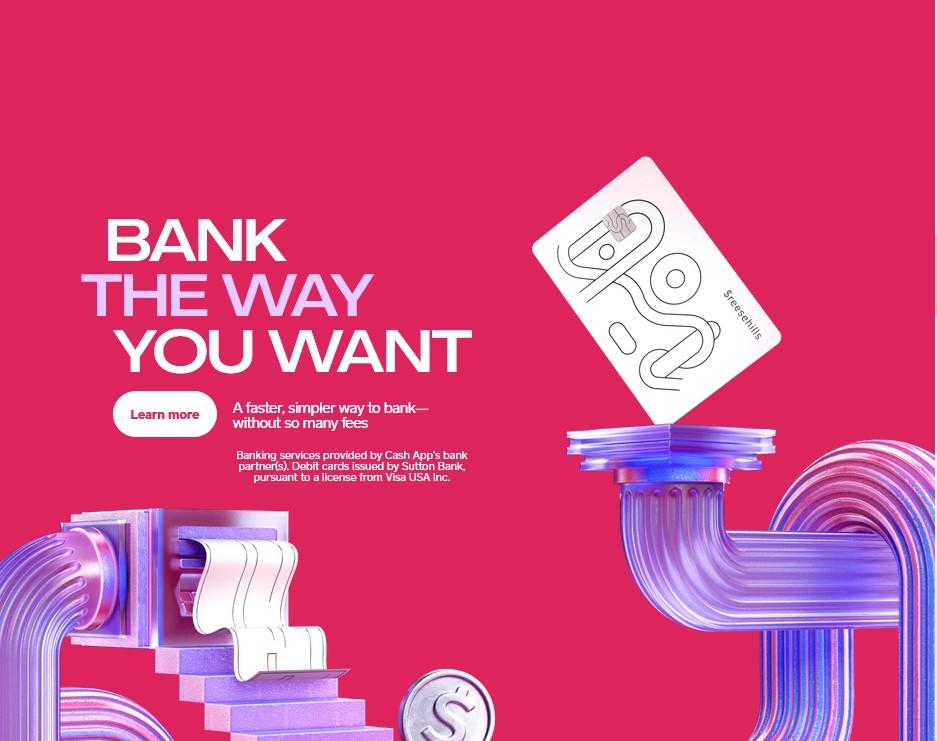
The Cash App Cash Card is a prepaid debit card connected to your Cash App balance. It allows Cash App customers to spend money in-store, online, and at ATMs anywhere Visa is accepted.
Unlike traditional debit cards tied to Wells Fargo Bank or other major banks, the Cash Card is issued by Sutton Bank, Member FDIC, and works as part of Cash App’s broader financial services platform.
Important things to know:
- The platform is not a bank
- Banking services are provided by Cash App’s bank partner
- Funds are FDIC-insured when held with Sutton Bank
How to Order and Activate the Cash App Cash Card
You don’t get a Cash Card automatically-you have to order a Cash App Cash Card through the app.
Here’s how it works:
- Download Cash App and open Cash App
- Create or sign in to your Cash App account
- Tap the Cash Card tab
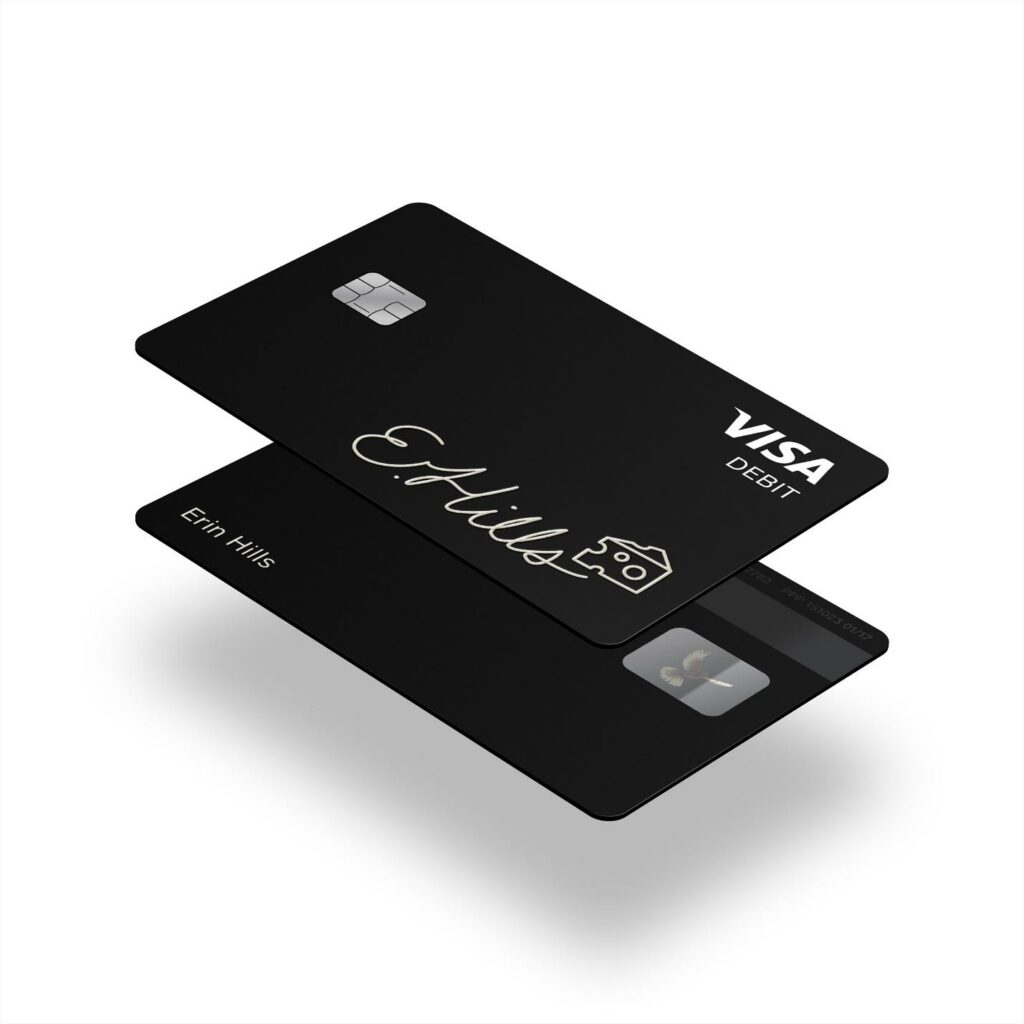
- Customize your customizable debit card
- Confirm your address and eligibility requirements
Once it arrives, activation is simple. Use the in-app QR code scanner or manually enter the card details. After activation, you can immediately use your Cash App card for everyday purchases.
If you take a look at Cash App’s current slate of functionality (read our full Cash App Review) it’s pretty clear how their overall ethos has developed over the years.
You can also add the card to Apple Pay or Google Pay before the physical card arrives.
Pro Tip:
Cash App has a referral program that can earn you FREE cash in your Cash App account. All you have to do is sign up and refer friends!
Using the Cash Card for Everyday Spending
The Cash Card works like other prepaid debit cards issued by fintech platforms. You can:
- Send money
- Receive money
- Withdraw money at ATMs
- Make online purchases
- Pay at coffee shops and retailers
- Use it for everyday spending
Because it pulls directly from your Cash App balance, there’s no credit check and no traditional bank account required.
Cash App Cash Card Fees and Limits
The Cash App Cash Card is free to order and does not charge monthly maintenance fees. Most everyday transactions, including in-store and online purchases, are processed without additional costs. However, certain actions may involve limits or optional fees.
ATM withdrawals may include fees unless waived based on account eligibility, and instant transfers can carry a small fee depending on the amount. Spending limits and withdrawal limits also apply, which can vary based on account verification status and usage history. Overall, the Cash App Cash Card remains a low-cost option compared to traditional debit cards.
Boosts, Instant Discounts & Saving on Spending
One of the most popular features tied to Cash App card transactions is Boosts.
Boosts are instant discounts applied automatically when you use your Cash Card at participating merchants. These offers help users:
- Save on everyday spending
- Save instantly at checkout
- Offset small purchases like food or gas
While not life-changing, Boosts can help users stretch spare change further over time.
Banking Services, Direct Deposit & Fees
Cash App provides banking services through Sutton Bank, not Wells Fargo Bank N.A. or other traditional institutions.
Key features include:
- Direct deposit (including early paycheck deposits)
- No monthly or hidden fees for standard use
- Optional free overdraft coverage with qualifying deposits
- ATM withdrawals (ATM fees may apply unless waived)
There are no overdraft fees, but users should still review additional fees, such as external transfer fees or ATM fees.
Pro Tip:
Cash App has a referral program that can earn you FREE cash in your Cash App account. All you have to do is sign up and refer friends!
Cash App Savings & Interest
Cash App also offers a savings feature tied to your Cash App savings balance. At some point Cash App added what amounts to an interest-free savings account insured up to $250k by the Federal Deposit Insurance Corporation (FDIC) into the app’s functionality. Did we mention that starting December 11, 2025, Cash App’s savings APY offer will be changing to 3.25% APY?
Instead of a traditional savings account, Cash App allows:
- Automatic round-ups using spare change
- Goal-based saving
- A visible savings balance held inside the app
Eligible users may earn interest, with interest paid based on the current savings yield rate. This makes it easier to start saving without changing spending habits.
Investing, Bitcoin & Brokerage Services
Cash App also offers investing tools through Cash App Investing LLC, which provides basic brokerage services.
Users can:
- Buy stocks
- Trade Bitcoin
- Invest spare change automatically
- Schedule recurring investments
Cash App also supports Bitcoin services provided directly in the app, allowing users to buy, sell, and trade Bitcoin easily.
As with all investing, users should understand that they can lose money, and activity is governed by the LLC customer agreement.
Security, Support & Account Controls
Is your money safe?
Cash App includes:
- Extra security features
- Fraud detection
- Biometric logins
- Account alerts
If issues arise, users can contact Cash App support through the app. There is also a dedicated Cash App support center with account controls and guidance.
Sponsored Accounts & Eligibility
Cash App supports sponsored accounts, allowing parents or guardians to manage accounts for younger users. Eligibility requirements apply, and sponsored accounts have limited functionality compared to standard accounts.
Pro Tip:
Cash App has a referral program that can earn you FREE cash in your Cash App account. All you have to do is sign up and refer friends!
Pros and Cons of the Cash App Cash Card
Pros
- Free to order
- No monthly fees
- Easy to send and receive money
- Instant discounts with Boosts
- Works anywhere Visa is accepted
Cons
- Platform is not a bank
- Limited customer service channels
- Not ideal for large balances or advanced banking needs
Final Verdict: Is the Cash App Cash Card Worth It?
The Cash App Cash Card isn’t revolutionary-but that’s the point.
It’s a simple, accessible debit card designed for people who want to spend, save, and manage money without relying on traditional banks. For Cash App customers who already use the app for payments or direct deposit, the Cash Card is a logical add-on.
If you’re looking for a lightweight, mobile-first card with no hidden fees and solid everyday functionality, the Cash App Cash Card is absolutely worth ordering.If you’re looking for a way to send money internationally, read our Remitly review!
The Best Crypto Brokerages as of February 1, 2026
Ranking of Top Crypto Brokerages Based on Fees, Features, and Sign-Up Bonuses
We are experienced users of dozens of crypto platforms. We stay up to date on these platforms' service offerings, subscription fees, trade commissions, and welcome bonuses. The brokerages listed below are for crypto investors, and are ranked in order of overall value received after taking advantage of their sign-up and/or referral offers.

✅ No commission
✅ Crypto price alert

✅ Access to over 250 cryptocurrencies
✅ 24/7 customer support for verified users

✅ Institutional-grade custody services with SOC 2 compliance
✅ Crypto rewards credit card with BTC/ETH back

✅ High staking yields on 15+ assets
✅ Regulatory licenses across U.S., Canada, and Europe
• $50 in BTC after a $25 deposit & $10 trade.
• 20% fee rebate via select referral codes.

✅ Transparent spread-based pricing with no commission
✅ Recurring buys and wallet-to-wallet transfers



Fees, features, sign-up bonuses, and referral bonuses are accurate as of September 30, 2025. All information listed above is subject to change.