When Block, Inc. (formerly Square Inc.) launched Cash App in 2013, it started as a simple peer-to-peer payment tool. In 2025, Cash App has evolved into a broad financial services platform that combines payments, banking features, investing, crypto, and free tax filing in one mobile app.
This Cash App review takes a close look at how the app works today, what features have improved, and whether Cash App is still a smart option for everyday spending, saving, and investing. Throughout this Cash App review, we’ll evaluate how Cash App compares to traditional banking options and whether it fits your financial goals.
This review breaks it all down with fresh data, updated features, and insights into how Cash App users are making the most of it now.
What Is Cash App? (And How to Use It)
Cash App is a mobile app that allows users to send and receive money, invest in stocks and ETFs, buy Bitcoin, file taxes, and access basic banking services. While Cash App is not a bank, it provides banking services through Cash App’s bank partner, Sutton Bank, which enables FDIC insurance on eligible balances.
To get started, users simply download Cash App from the App Store or Google Play and create a Cash App account using an email address or phone number. After setup, you can link a bank account, add money, load money, or transfer money directly into your Cash App balance.
Funds added to your account are stored in your Cash App balance, which can be used for payments, withdrawals, investing, or transfers to a linked bank account.
Once activated, users can send money, request money, or receive money using a $Cashtag, phone number, email address, or QR code.
Pro Tip:
When you sign up for Cash App and refer your friends, you get a CASH bonus deposited to your Cash App account.
The Cash App Card: Physical Cash Meets Digital Flexibility
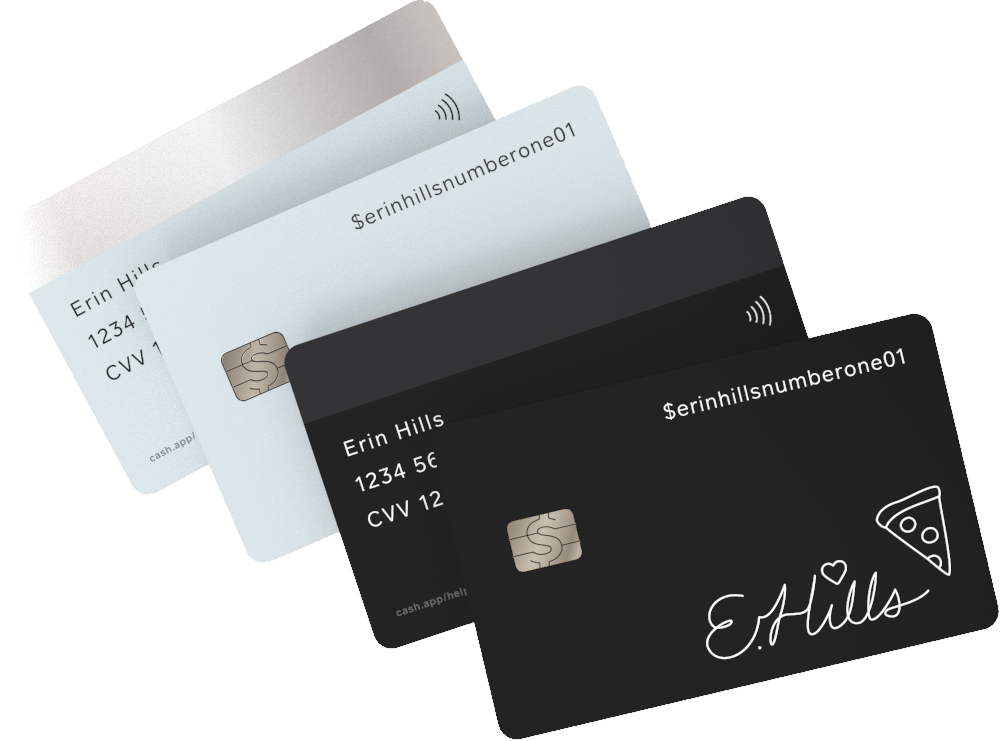
The Cash App Card is a free, customizable debit card issued by Sutton Bank. This Cash App debit card works anywhere Visa is accepted and supports everyday spending, online purchases, and ATM withdrawals.
This prepaid debit card integrates seamlessly with your Cash App balance and supports contactless payment. Users can personalize the card design and use it for both physical and digital purchases.
Cash App Cards also unlock:
- ATM withdrawals (with reimbursement for eligible users)
- Free overdraft coverage for qualifying accounts
- Instant discounts through Boosts
- Integration with investing and savings tools
These prepaid debit cards issued by Cash App bridge the gap between physical cash and digital payments.
Boosts and Exclusive Discounts
Cash App Boosts provide rotating instant discounts at popular retailers and services. Users can activate one Boost at a time and switch depending on where they shop.
Boosts are ideal for everyday spending and often outperform traditional rewards programs for short-term savings.
Pro Tip
When you sign up for Cash App and refer your friends, you get a CASH bonus deposited to your Cash App account.
Banking Services (Sort Of)
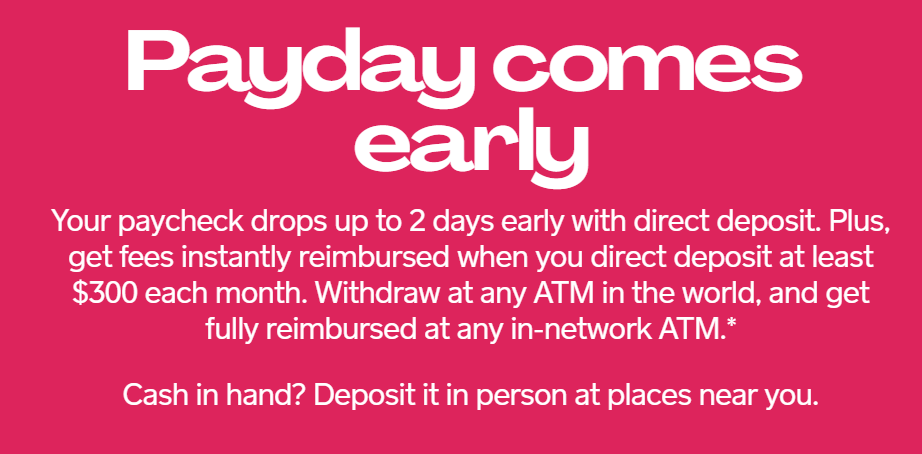
Through Sutton Bank and Lincoln Savings Bank, Cash App provides FDIC-insured banking services for eligible accounts. Users can set up direct deposit, including paycheck direct deposits, government benefits, or gig income.
Many users treat Cash App as a bank account alternative for receiving income, managing a balance, and making everyday payments without a traditional checking account.
Once direct deposit is active, users may unlock:
- Free overdraft coverage
- ATM fee reimbursements
- Bill pay features
- No minimum balance requirements
Cash App Savings Balance & Interest
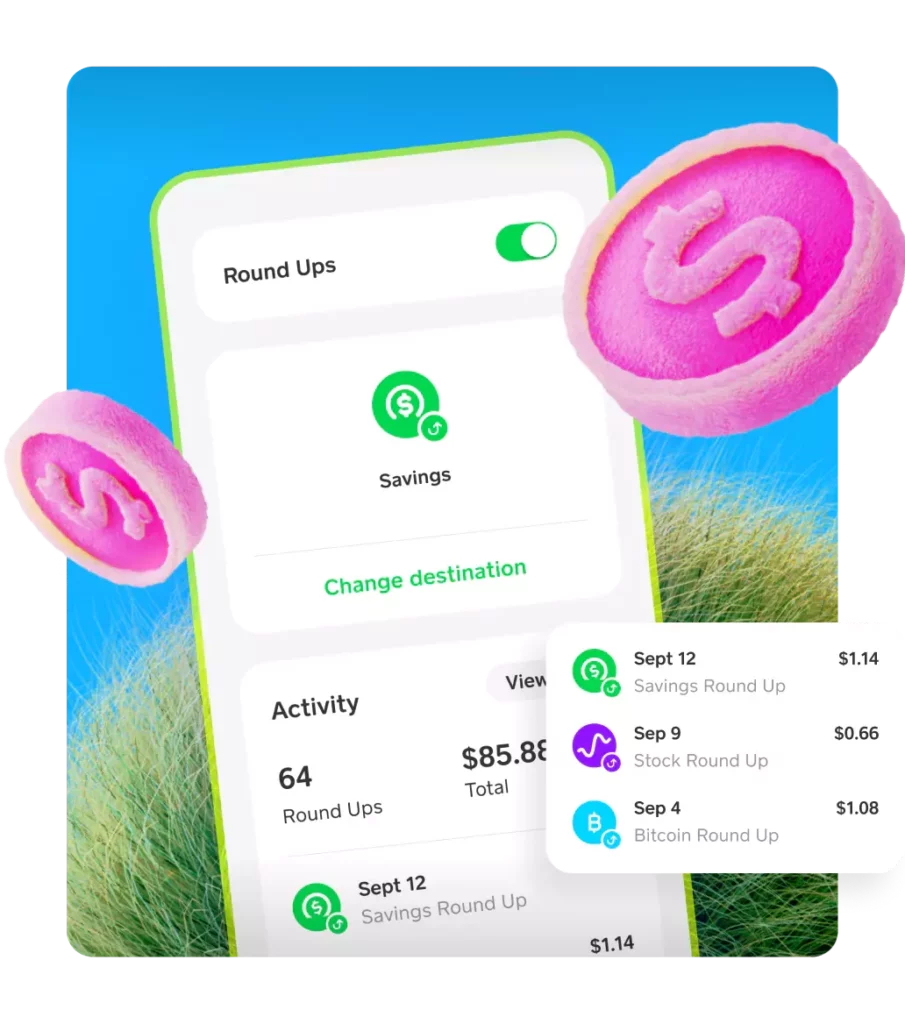
In 2025, Cash App rolled out improved saving features designed to help users save money with less effort. Instead of traditional savings accounts, Cash App uses in-app savings goals with flexible deposits. Users can create separate categories for vacation funds, emergency savings, or everyday expenses and monitor progress visually inside the app.
Users can move funds between their main Cash App balance and a Cash App savings balance to separate everyday spending from savings goals.
Managing a Cash App savings balance allows users to automate deposits, track progress, and earn interest when eligibility requirements are met.
Cash App also offers round-up tools that allow you to automatically invest spare change or deposit it into your savings balance. When paired with direct deposit, your savings balance can even earn up to 3.25% APY—competitive with the highest interest rates among digital platforms.
Cash App Investing: Beginner-Friendly Brokerage Services
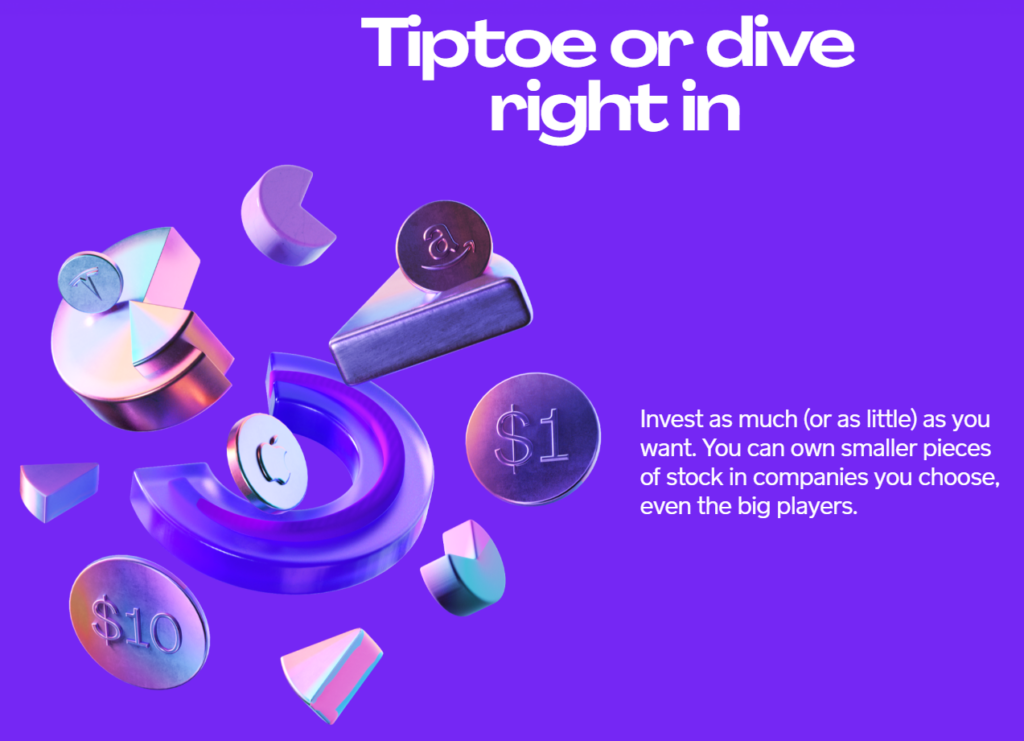
Cash App Investing, operated by Cash App Investing LLC, offers simplified brokerage services designed for beginners. Users can invest money in stocks and ETFs with as little as $1.
The platform supports:
- Fractional shares
- Scheduled investments
- Commission-free trades
- No account minimums
While Cash App Investing lacks advanced research tools, it covers basic trading needs and allows users to purchase stocks with ease.
Cash App Bitcoin: Buy, Send, or Receive Crypto
Cash App supports Bitcoin services, allowing users to buy Bitcoin, sell Bitcoin, send it to external wallets, and receive Bitcoin directly.
Cash App’s bitcoin services provided are beginner-friendly and transparent, though limited to Bitcoin only. This simplicity makes it a popular entry point for users exploring virtual currency business activity.
Unique Features
In addition to their Bitcoin services provided, Cash App offers Fractional Shares with their Sutton Bank banking services that means you can buy bits and pieces of really expensive stocks without having to shell out hundreds (or thousands) for the pleasure of buying into the business.
For example, if a stock’s current price is $300 but you only want to invest $100 at the moment, you can buy a third of a share of the stock.
You still gain (and lose) value in your investment as the stock price changes, but partial shares let you get started with a smaller amount of money up front (to the nearest dollar).Cash App also offers Auto Investing, as one of their brokerage services, when the stocks hit a certain price, or even when you round up on a purchase using your Cash App debit card.
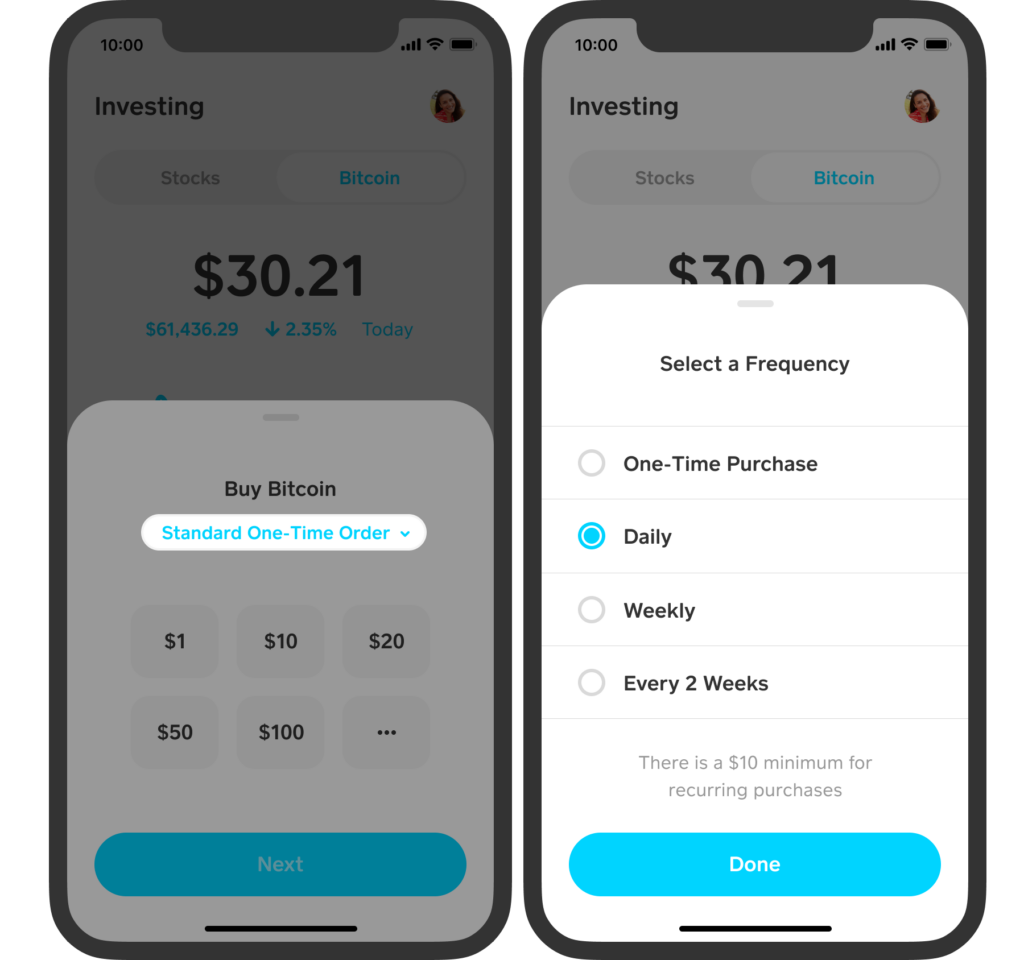
These options obviously rely on your judgement, but it’s nice to have the tools available to you to help you purchase the stocks you want, when you want them.
Be careful, though, when setting up automatic investments that are not triggered by price changes but are performed on a schedule or upon debit card purchases with your customizable debit card.
You want to make sure you’re comfortable with the stock’s price before investing your hard-earned money into it.Cash App also offers the ability to Send Stocks to Friends (other cash app users) with your debit card!
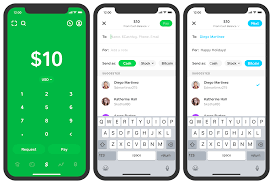
You can send stocks as gifts (if you’re one of those weird uncles/aunts), transfer them to another account, or even buy things using stocks or ETFs instead of money.
Cash App Taxes: File Free in 2025
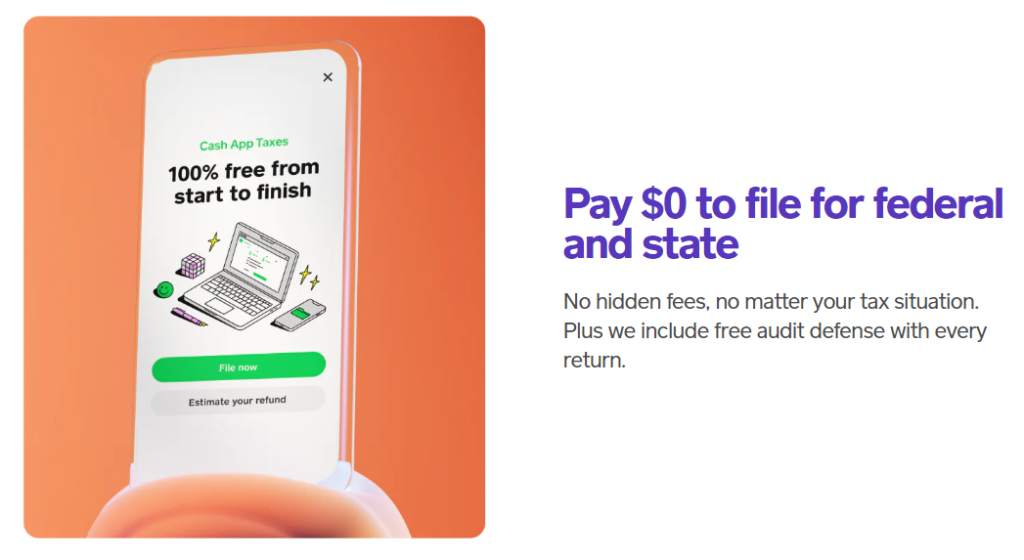
Cash App Taxes remains one of the only truly free tax filing tools. It supports W-2 and 1099 filers, freelancers, and even those with investment income.
The platform includes free audit defense and a Max Refund Guarantee. If you choose direct deposit, your refund may even arrive up to six days earlier. Cash App also lets you scan documents like W-2s to auto-populate forms, reducing manual entry and filing time.
Pro Tip
When you sign up for Cash App and refer your friends, you get a CASH bonus deposited to your Cash App account.
Customer Support and Security
Cash App takes security seriously—and it’s a big reason why it continues to be one of the most trusted platforms in the peer-to-peer finance space. Is Cash App safe? Absolutely. Block, Inc. has invested heavily in compliance, bug fixes, and risk monitoring to keep your money safe. Users benefit from strong encryption standards and built-in account alerts and fraud monitoring services that flag suspicious activity quickly.
The app also supports biometric logins, PIN and password protection, and optional two-factor authentication. Security doesn’t end with technology either—Cash App has significantly improved customer support in recent years.
If you need assistance, you can contact Cash App support via the in-app chat or support center. Cash App customer service response times have improved significantly since 2022.
Cash App Fees Explained
Cash App offers a largely free experience for everyday users, but some optional services come with fees. Standard peer-to-peer payments and bank transfers are free, while instant deposits may include a small fee. ATM withdrawals can also carry fees if eligibility requirements are not met. Bitcoin transactions include service fees and price spreads that vary based on market conditions. Overall, Cash App remains competitive compared to other mobile payment apps and digital banking platforms.
Pros and Cons
Cash App does a lot of things well, especially for users who want simple, mobile-first financial tools. That said, it isn’t trying to be everything for everyone—and that’s where some of its limitations show.
Pros
- Easy to send money, receive money, and manage everyday spending
- Solid entry-level tools for investing and Bitcoin trading
- No monthly minimumshidden fees, or overdraft fees
- Legitimate, IRS-compliant tax filing via Cash App Taxes
Cons
- Not a full-service broker or savings account
- Limited crypto support (Bitcoin only)
- No joint accounts or shared sponsored accounts
While the cons may be deal-breakers for more advanced users, they’re unlikely to be an issue for Cash App’s core audience: individuals looking for ease, convenience, and quick access to key financial tools from their phone.
Final Verdict: Who Should Use Cash App in 2025?
Cash App is ideal for mobile-first users seeking simplified financial services. It works especially well for those new to investing, crypto, or digital banking, and for anyone who wants to consolidate financial tools in a single, sleek app. Users without access to a traditional bank account or those looking to avoid external transfer fees will also appreciate what Cash App offers.
However, serious traders and high-volume investors may find the tools too limited. If you need robust charting, access to altcoins, or international trading options, you’ll likely want to look elsewhere.
As a mobile-first platform, Cash App offers streamlined payment services alongside basic banking and investing features in one app.
Cash App functions as a mobile payment and financial services platform used by millions of Cash App customers in the U.S. It combines peer-to-peer payments, a linked Cash App balance, basic banking services, and investing tools into one mobile app. For users looking for a bank account alternative with transparent fees, fast transfers, and integrated payment services, Cash App remains a popular digital banking option in 2025.
For those interested in the Cash App Card read more into it with our full Cash App Card Review!
FAQs
Link a bank, enable direct deposit, or receive money from another Cash App user.
Cash App partners with Sutton Bank and Lincoln Savings Bank. Cash App is commonly used as a mobile payment app and bank account alternative for everyday payment services.
Yes. Use Cash App Taxes for 100% free e-filing with audit protection.
It’s a registered broker-dealer that handles your investing activity. You can read the full LLC customer agreement for more information.
Request it from within the app—it’s a free card you can personalize.
Cash App customers include students, gig workers, and everyday users who want fast peer-to-peer payments and simple digital banking tools.
The Best Crypto Brokerages as of February 1, 2026
Ranking of Top Crypto Brokerages Based on Fees, Features, and Sign-Up Bonuses
We are experienced users of dozens of crypto platforms. We stay up to date on these platforms' service offerings, subscription fees, trade commissions, and welcome bonuses. The brokerages listed below are for crypto investors, and are ranked in order of overall value received after taking advantage of their sign-up and/or referral offers.

✅ No commission
✅ Crypto price alert

✅ Access to over 250 cryptocurrencies
✅ 24/7 customer support for verified users

✅ Institutional-grade custody services with SOC 2 compliance
✅ Crypto rewards credit card with BTC/ETH back

✅ High staking yields on 15+ assets
✅ Regulatory licenses across U.S., Canada, and Europe
• $50 in BTC after a $25 deposit & $10 trade.
• 20% fee rebate via select referral codes.

✅ Transparent spread-based pricing with no commission
✅ Recurring buys and wallet-to-wallet transfers



Fees, features, sign-up bonuses, and referral bonuses are accurate as of September 30, 2025. All information listed above is subject to change.